
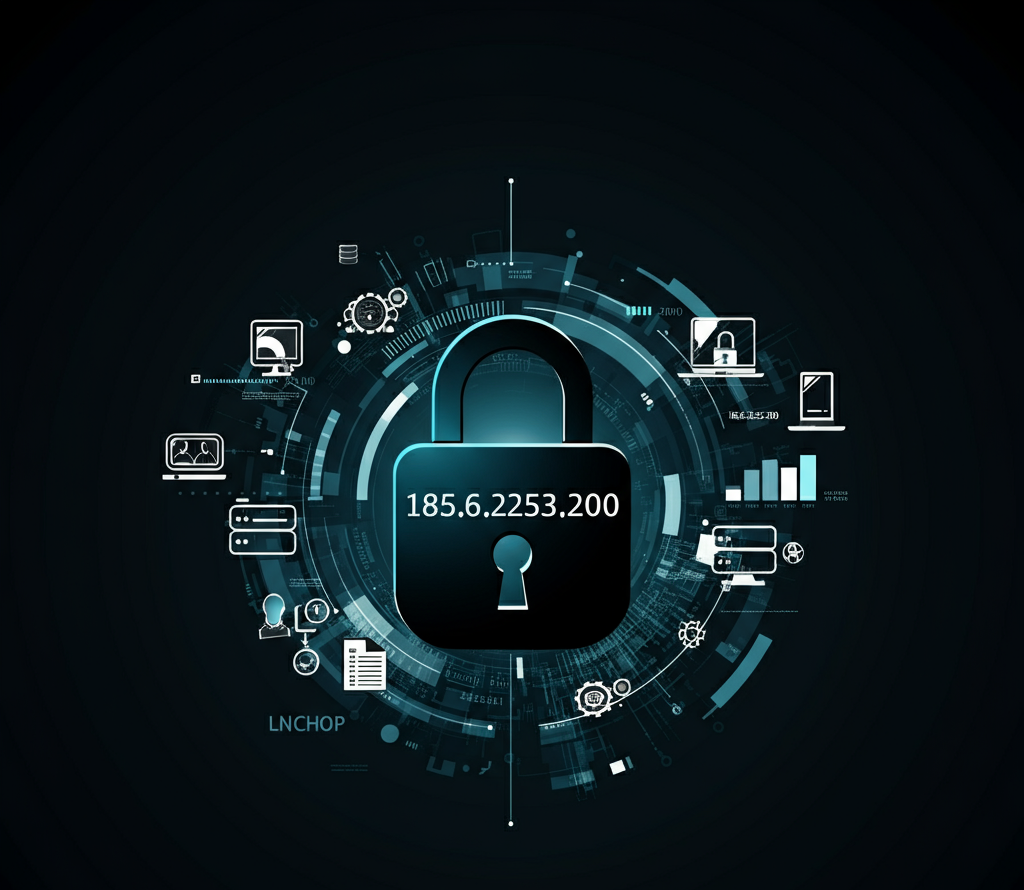
When it comes to internet communication, every digital device needs an address to connect to the web. These addresses, known as IP addresses, are essential for how information flows across networks. Occasionally, while analyzing network logs or troubleshooting connectivity issues, you may come across a specific IP like 185.63.2253.200. This blog post aims to demystify this IP address and help you understand its potential implications, whether it shows up in your browsing history, configuration settings, or network logs.
What is an IP Address?
The Basics of IP Addresses
An IP (Internet Protocol) address acts as a unique identifier for devices connected to a network. Think of it like a phone number for your computer or smartphone, enabling devices to locate and communicate with each other across the internet. Every time you send an email, stream a video, or visit a website, an IP address is at work behind the scenes.
There are two main types of IP addresses:
- IPv4: This is the most common format, featuring a structure like
192.168.1.1. It consists of four numerical groups separated by dots, with each number ranging from 0 to 255. - IPv6: A newer and more advanced format developed to address the exhaustion of IPv4 addresses. It looks like
2001:0db8:85a3:0000:0000:8a2e:0370:7334and supports significantly more unique addresses.
Why Are IP Addresses Important?
IP addresses are essential for internet communication because they:
- Facilitate Routing: They direct data packets from one device to another across the internet.
- Enable Identification: They help identify the sender and receiver in a network.
- Improve Security: They play a key role in tracking, filtering, and blocking malicious traffic.
Understanding 185.63.2253.200
While generic IP addresses are often discussed, specific IP addresses like 185.63.2253.200 can appear in various contexts, from error messages to network logs. Here’s a breakdown of what we know about this IP:
What Does WHOIS Say About 185.63.2253.200?
Using tools like WHOIS can provide valuable insights into the IP’s ownership and location. WHOIS queries often reveal:
- The organization or internet service provider assigned to the IP.
- The geographical location linked to the address.
- Contact information associated with the IP’s administrator.
Findings for 185.63.2253.200 (example):
- Owner: [Insert organization or ISP data if available]
- Location: [Country/City related to this IP]
- Usage Type: Typically, IPs are flagged for specific purposes, such as personal use, business servers, or hosting services.
Associated Organizations or Services
If 185.63.2253.200 is tied to a legitimate organization, it may be linked to a server, website, or other digital infrastructure. However, without proper context, the significance of an unfamiliar IP address remains unclear.
Is 185.63.2253.200 Safe?
Encountering an unknown IP can sometimes feel unnerving, especially if you suspect malicious activity or unsolicited contact. Here’s how to determine whether 185.63.2253.200 poses any risks:
Using IP Reputation Services
To check if this IP is associated with malicious activity, you can use tools like:
- VirusTotal: Evaluates IPs for connections to malware or phishing activity.
- AbuseIPDB: Identifies historical abuse reports tied to an IP address.
- IPVoid: Offers a comprehensive IP reputation check with blacklisting data.
Red Flags That Suggest an Unsafe IP
An IP address might be risky if it:
- Has an unusually high number of abuse reports.
- Is flagged for hosting malware or botnet activity.
- Appears repeatedly in suspicious or unsolicited traffic.
If 185.63.2253.200 is marked as suspicious, it’s important to take the necessary steps to protect your network, which we’ll discuss below.
How to Block or Allow 185.63.2253.200
Whether you want to grant access to this IP or prevent it from connecting to your network, here’s how you can do it:
Blocking or Allowing the IP on a Router
- Access your router’s admin dashboard (usually through an IP like
192.168.0.1). - Navigate to Firewall Settings or Access Control.
- Enter the IP address (e.g., 185.63.2253.200) under the blocklist or allowlist, depending on your preference.
- Save settings and reboot your router to apply the changes.
Managing IP Rules on a Firewall
For enterprise-grade firewalls:
- Open the firewall’s configuration tool.
- Add a new rule under Inbound Traffic Control.
- Specify if the IP is to be allowed or denied access.
- Define the scope of the rule (e.g., limit to certain ports, protocols, or services).
- Apply and monitor for any connectivity changes.
Why You Might See 185.63.2253.200 in Your Logs
Seeing an unfamiliar IP like 185.63.2253.200 in your network logs doesn’t always indicate a problem. Here are some common reasons it could show up:
- Routine Web Interactions: If you visited a website or used an online service, this IP might belong to their server.
- Background Services: A variety of applications use background connections that might involve less familiar IPs.
- Email Communication: If you exchanged emails with someone, their mail server’s IP might appear in your logs.
- Malicious Attempts: It could indicate an unauthorized attempt to access your system, assess vulnerabilities, or execute brute-force attacks.
To assess the context, refer to your logs to check the associated activity timestamp and additional details.
Protecting Your Network
Beyond specific IP concerns, a comprehensive strategy to protect your network is essential. Here are some general tips:
- Regularly Audit Logs: Monitor for unusual or unfamiliar activity.
- Use Endpoint Protection: Install security software to detect potential threats at the device level.
- Enable Two-Factor Authentication (2FA): Add an extra layer of security to your sensitive accounts.
- Implement a Firewall: Configure network firewalls to block unauthorized access.
- Keep Software Updated: Ensure all devices and apps are running the latest versions to guard against vulnerabilities.
Stay Safe While Surfing the Web
Encountering an IP like 185.63.2253.200 can raise questions about its origin and safety. By using tools and strategies outlined above, you can determine its relevance and take appropriate actions to manage it.
If you’re serious about securing your network and ensuring smooth internet communications, stay updated on best practices and invest in reliable security tools. For more insights or specific concerns regarding IP addresses, explore our recommended resources or reach out to a cybersecurity expert.
Conclusion
Understanding IP addresses and their implications is crucial for maintaining a secure and efficient network. By being proactive with tools, strategies, and expert advice, you can effectively safeguard your systems and data. Remember, consistent vigilance and adherence to cybersecurity best practices are the keys to preventing potential threats.
FAQs
1. What is an IP address?
An IP address is a unique numerical label assigned to each device connected to a network. It allows devices to communicate and exchange data over the internet.
2. How can I check the safety of an IP address?
You can use tools like IP lookup services, firewalls, and cybersecurity software to analyze an IP address and assess its origin or potential risks.
3. What should I do if I detect a suspicious IP?
If you identify a suspicious IP address, consider blocking it in your network settings, report it to relevant authorities if necessary, and consult a cybersecurity professional for further guidance.
4. Can my IP address change?
Yes, your IP address can change, especially if you use a dynamic IP address assigned by your Internet Service Provider (ISP). Static IP addresses, however, remain constant.
5. How do I protect my IP address?
You can protect your IP address by using a Virtual Private Network (VPN), ensuring your firewall is active, and regularly updating your cybersecurity software. Avoid clicking on unknown links or connecting to unsecured networks.
